Iyengar yoga
Iyengar yoga pays detailed attention to how the body is placed. Supports such as blocks, belts and blankets can change the task and make a particular action easier to study.
A shared posture name does not specify which support, alignment detail or teaching stage is being used. Follow the instructions for the exact form shown.
Related poses in the shared bank
Teaching comparison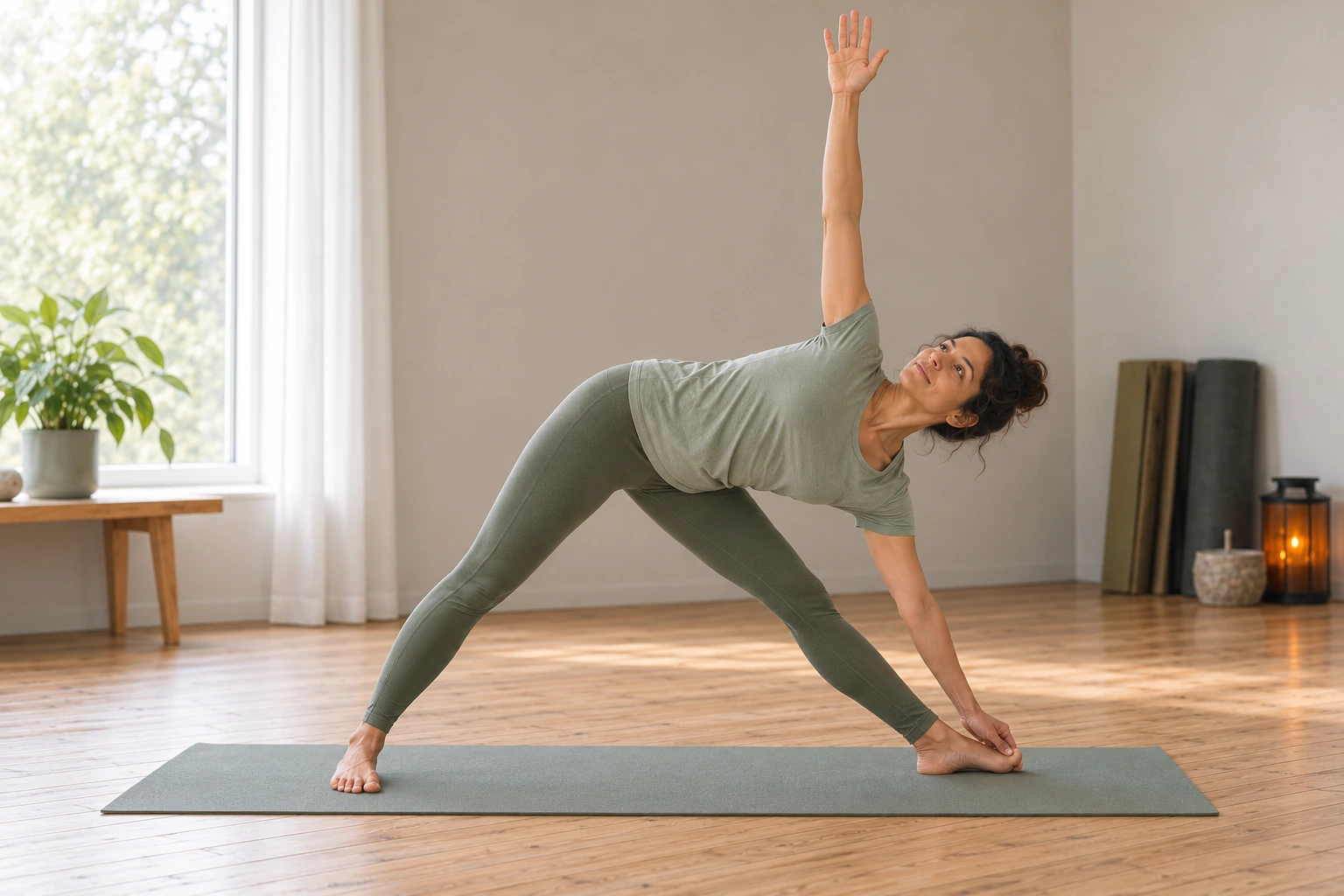
Utthita Trikonasana
Extended triangle
Explore this pose →Free example
Virabhadrasana A
Warrior A
Explore this pose →Member · detail view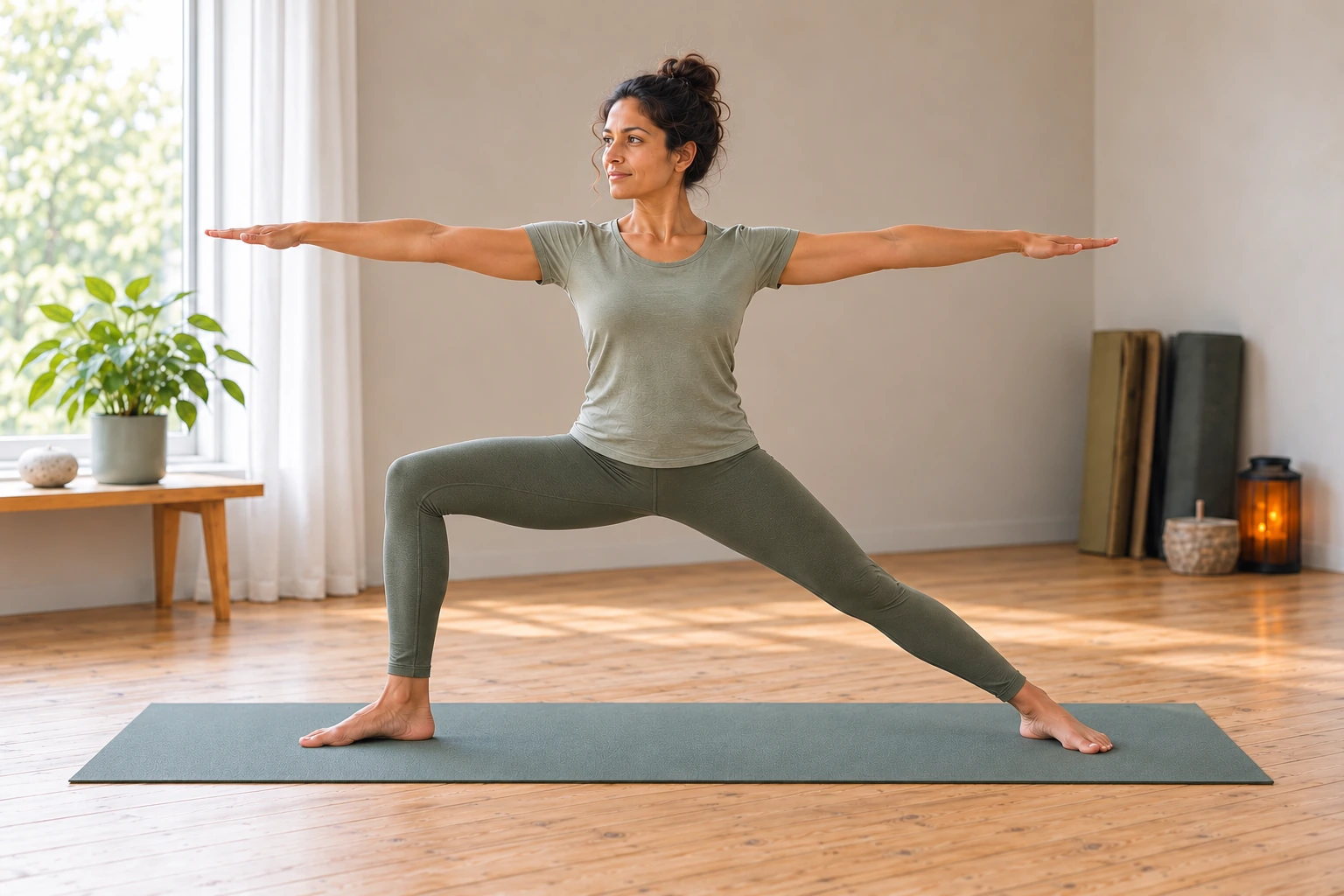
Virabhadrasana B
Warrior B
Explore this pose →Free example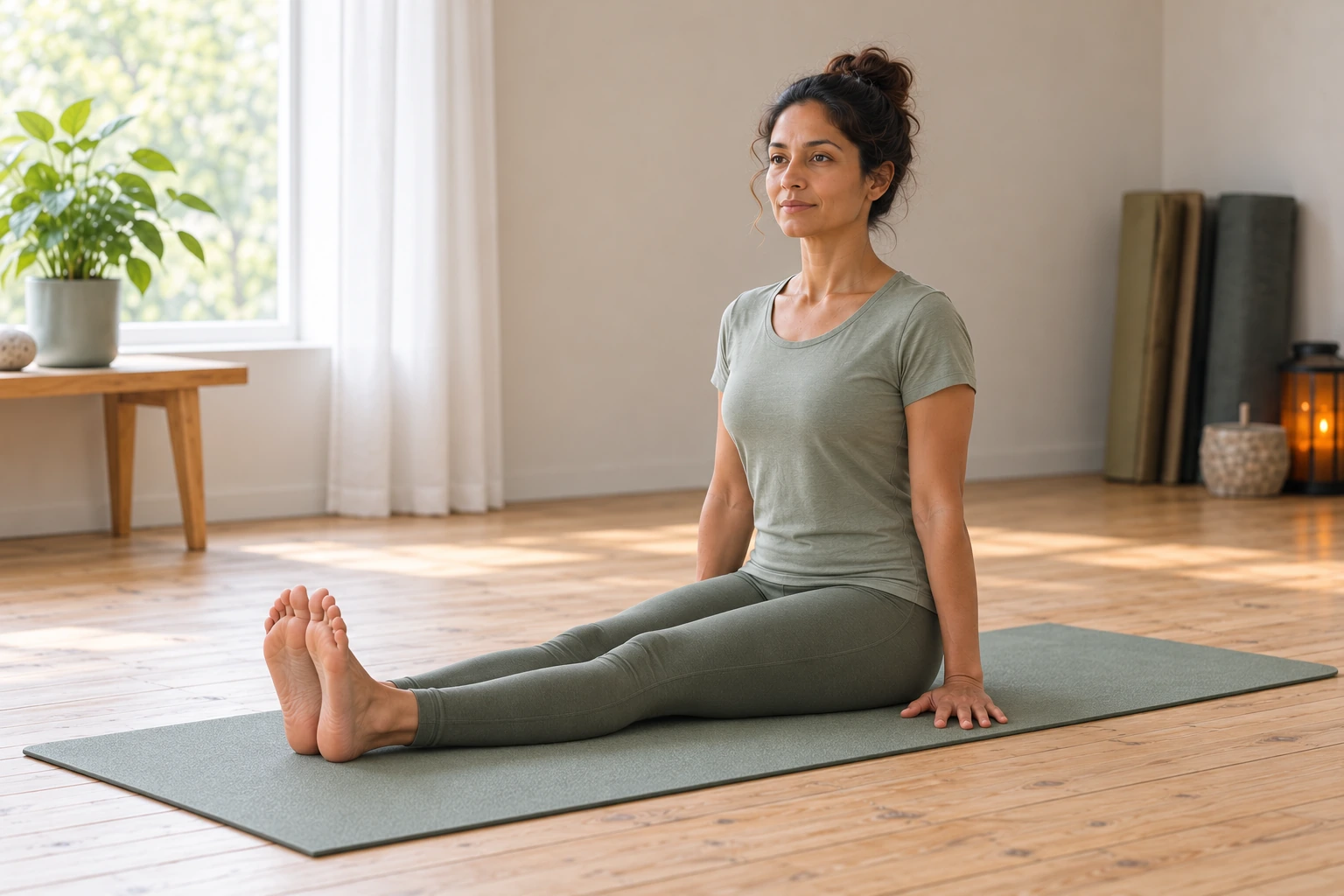
Dandasana
Staff
Explore this pose →Free example
Baddha Konasana · Upright form
Bound angle
Explore this pose →Member · detail view
Upavistha Konasana A
Seated wide angle
Explore this pose →Member · detail view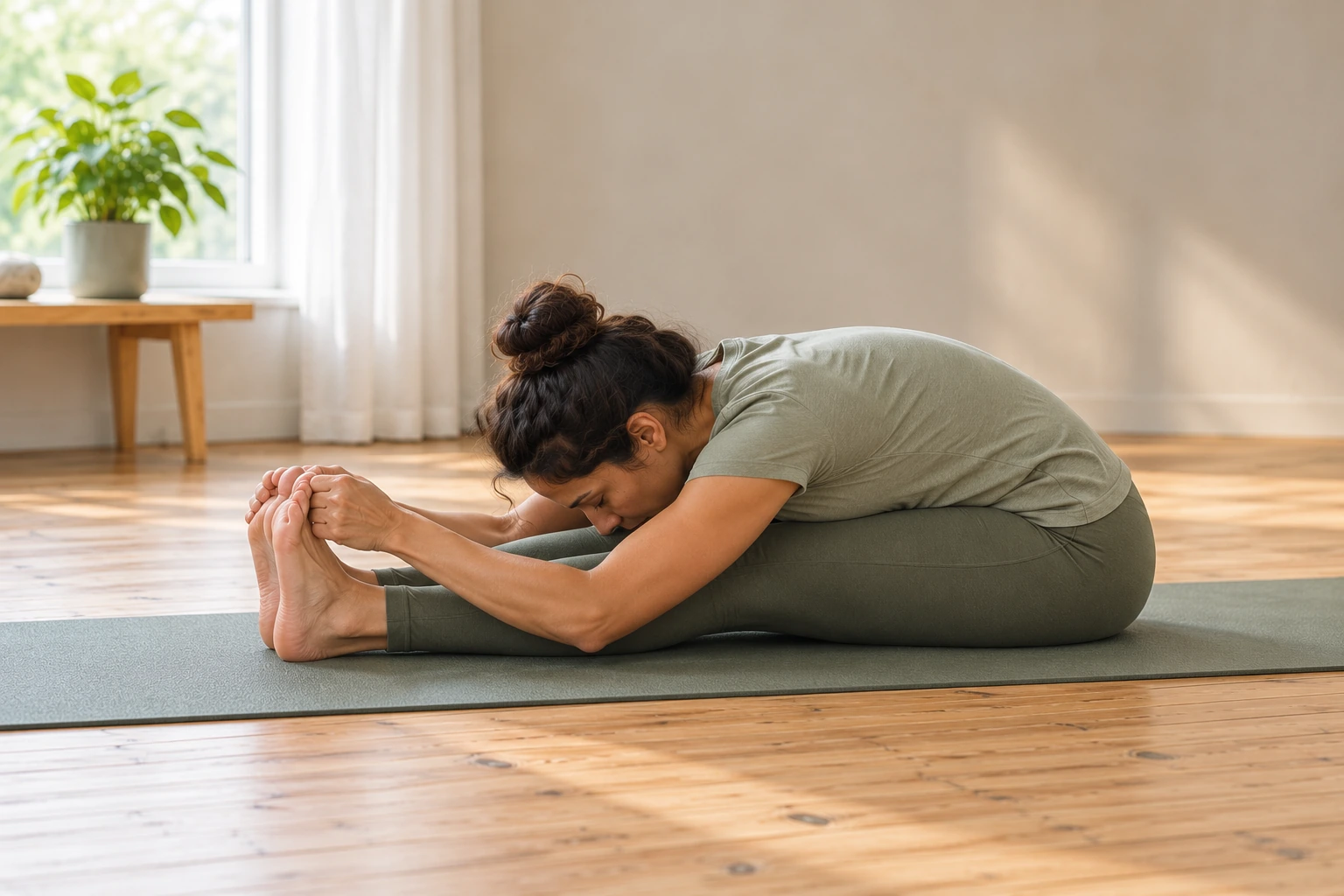
Paschimottanasana A
Seated forward fold
Explore this pose →Free example
Adho Mukha Svanasana
Downward-facing dog
Explore this pose →Member · detail view
Urdhva Mukha Svanasana
Upward-facing dog
Explore this pose →Member · detail view
Chaturanga Dandasana
Low plank
Explore this pose →Member · detail view
Salabhasana A
Locust
Explore this pose →Member · detail view
Dhanurasana
Bow
Explore this pose →Member · detail view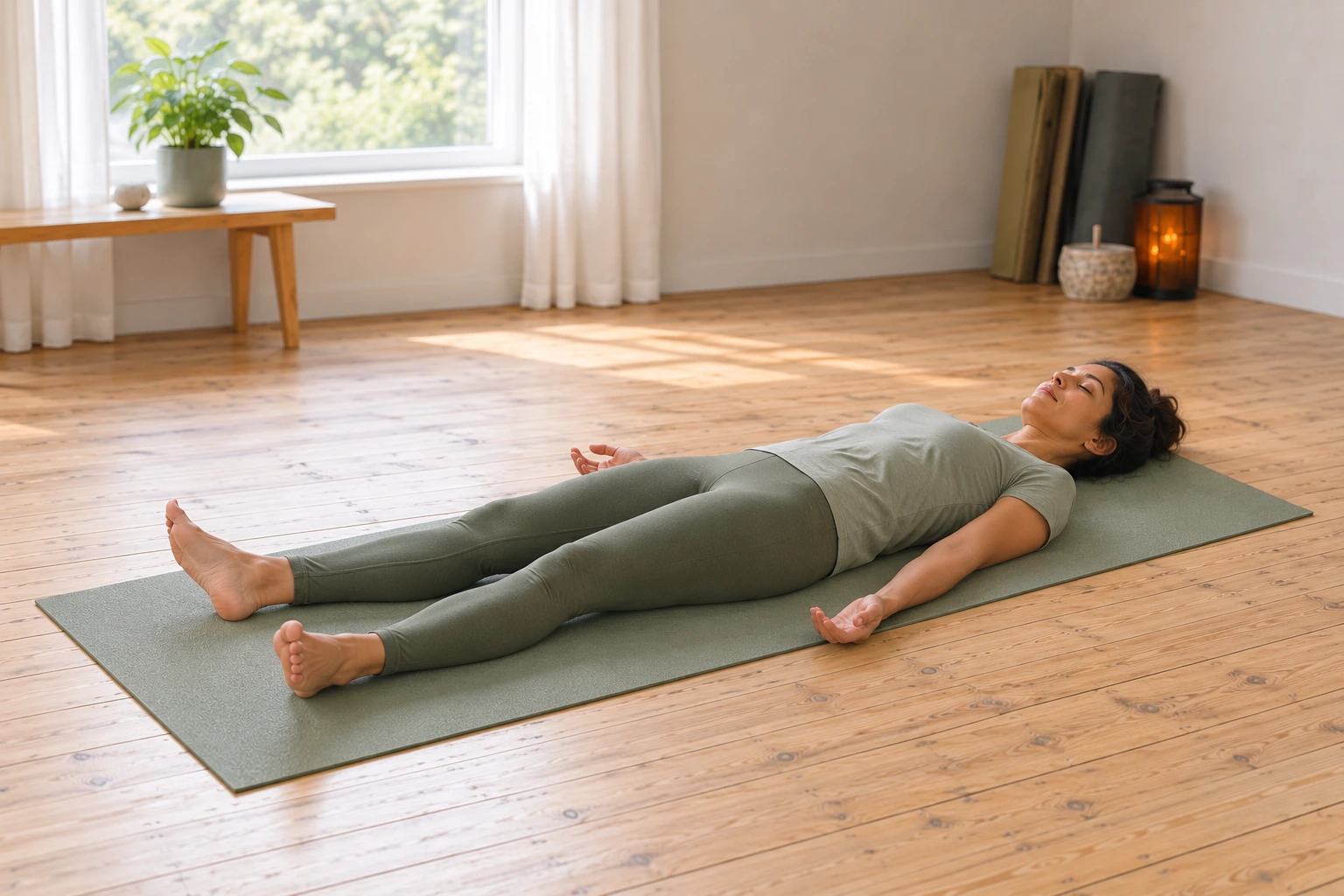
Savasana
Reclining rest
Explore this pose →Free example
Padangusthasana
Big-toe hold
Explore this pose →Member · detail view
Padahastasana
Hands under feet
Explore this pose →Member · detail view
Parivrtta Trikonasana
Revolved triangle
Explore this pose →Member · detail view
Utthita Parsvakonasana
Extended side angle
Explore this pose →Member · detail view
Parivrtta Parsvakonasana
Revolved side angle
Explore this pose →Member · detail view
Parsvottanasana
Pyramid fold
Explore this pose →Member · detail view
Prasarita Padottanasana A
Wide-legged forward fold
Explore this pose →Member · detail view
Janu Sirsasana A
Single-leg seated fold
Explore this pose →Member · detail view
Triang Mukhaikapada Paschimottanasana
One-leg-folded-back forward fold
Explore this pose →Member · detail view
Gomukhasana B
Cow face
Explore this pose →Member · detail view
Ardha Matsyendrasana
Half lord-of-fishes twist
Explore this pose →Member · detail view
Matsyasana · Lotus
Fish
Explore this pose →Member · detail view
Bhujangasana · Bent elbows
Cobra
Explore this pose →Member · detail view
Vrikshasana · Palms together
Tree
Explore this pose →Member · detail view
Bharadvajasana
Bharadvaja twist
Explore this pose →Member · detail view
Ustrasana
Camel
Explore this pose →Member · detail view
Navasana
Boat
Explore this pose →Member · detail view
Parighasana
Gate
Explore this pose →Member · detail view
Vajrasana · Seated on heels
Kneeling seat
Explore this pose →Member · detail view
Virasana · Block between the feet
Kneeling seat
Explore this pose →Member · detail view
Supta Padangusthasana A
Reclining big-toe hold
Explore this pose →Member · detail viewCompare variants
Letters such as A and B follow the labels on our pose pages. They are not a universal system across yoga traditions. Each image keeps the name of the form shown.
Paschimottanasana
Compare a direct big-toe hold with a shallow belt-assisted fold. The hands meet the toes in one form and hold the belt in the other. The depth of the fold and the distance the arms must reach are different.

Gomukhasana
Compare hands around the upper knee with a handhold behind the back. These arm arrangements are different even when the legs look similar. Gheraṇḍa Saṃhitā 2.17 describes the seated base without prescribing the behind-back arm bind.
Read about these forms →Member · detail view

Keep the belt loose enough to avoid pulling. Release it for pain, tingling or numbness.
Salabhasana
Compare arms alongside the body with palms beside the chest. Gheraṇḍa Saṃhitā 2.40 mentions palms on the ground near the chest and lifted legs. It gives no A/B letters and does not determine every detail of either present-day image.

Utthita Trikonasana
The block supports the palm of the lower hand, reducing the reach required. Keep both feet grounded and do not force the knees. This support is a contemporary adaptation.

Savasana
A firm cushion supports both knees; the heels rest on the mat. Choose a comfortable height without pressure. The older description of Savasana does not specify this knee support.

Parighasana

Do not force the knees or ankles. Keep the head comfortable and the airway clear. Stop for pain, numbness or restricted breathing. Seek individual advice if kneeling is unsuitable.
Read about these forms →Member · detail viewVajrasana / Virasana
Keep the block stable on the mat, with no leg underneath it. Do not force the knees or ankles. Leave for pain, tingling or numbness and seek individual advice if kneeling is unsuitable.
Read about these forms →Member · detail viewVrikshasana

Keep the lifted foot clear of the knee joint and do not force the hip to open. Keep a hand support if balance is uncertain, and step down before control is lost. Stop for pain or dizziness. An injury or balance problem needs individual assessment.
Read about these forms →Member · detail viewSupta Padangusthasana

Do not use the belt to pull the leg closer. Keep the head and neck comfortable, lower the leg if needed, and stop for pain, tingling or numbness.
Read about these forms →Member · detail viewOlder descriptions of individual poses
The older references document particular historical forms. They do not establish every modern variation, class sequence or teaching method.
- Gheraṇḍa Saṃhitā — translation by Sris Chandra Vasu (1895)2.17, p. 13; 2.22, p. 14; 2.37, 2.40, p. 16; 2.43–44, p. 17; 2.18, p. 13 · Wellcome Collection
Practising with care
If you have an injury or a medical condition, take medication, are pregnant or breastfeeding, or have another circumstance that may affect your practice, consult a qualified healthcare professional about suitable activities and necessary adaptations.
Learn new and demanding poses with a qualified yoga teacher. Adapt the range to your body and stop if you feel pain or dizziness. A short video illustrates movement; its length does not prescribe how long to hold a pose.
Headstands, shoulder stands and lotus are not starting poses for beginners. Injuries, balance problems or glaucoma are examples of reasons to assess suitability individually. Do not force a bind or use the body as leverage against the knee.