Primary Series
An ordered sequence of forward folds, balances and transitions. Yoga therapy is its traditional name.
Sun salutations
2 pose families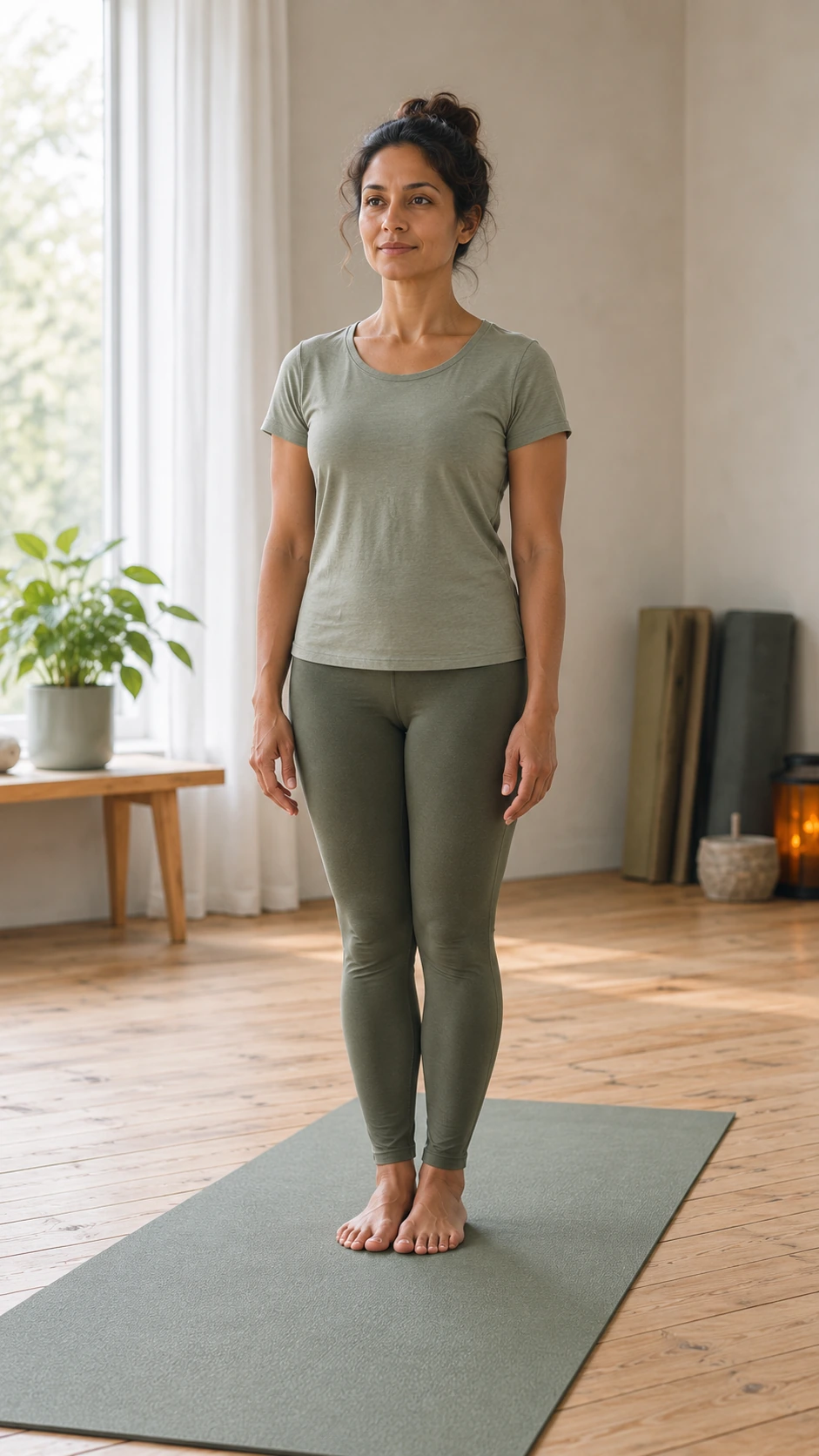
Standing foundations
8 pose families
Padangusthasana
Big-toe hold
Explore this pose →Member · detail view
Padahastasana
Hands under feet
Explore this pose →Member · detail view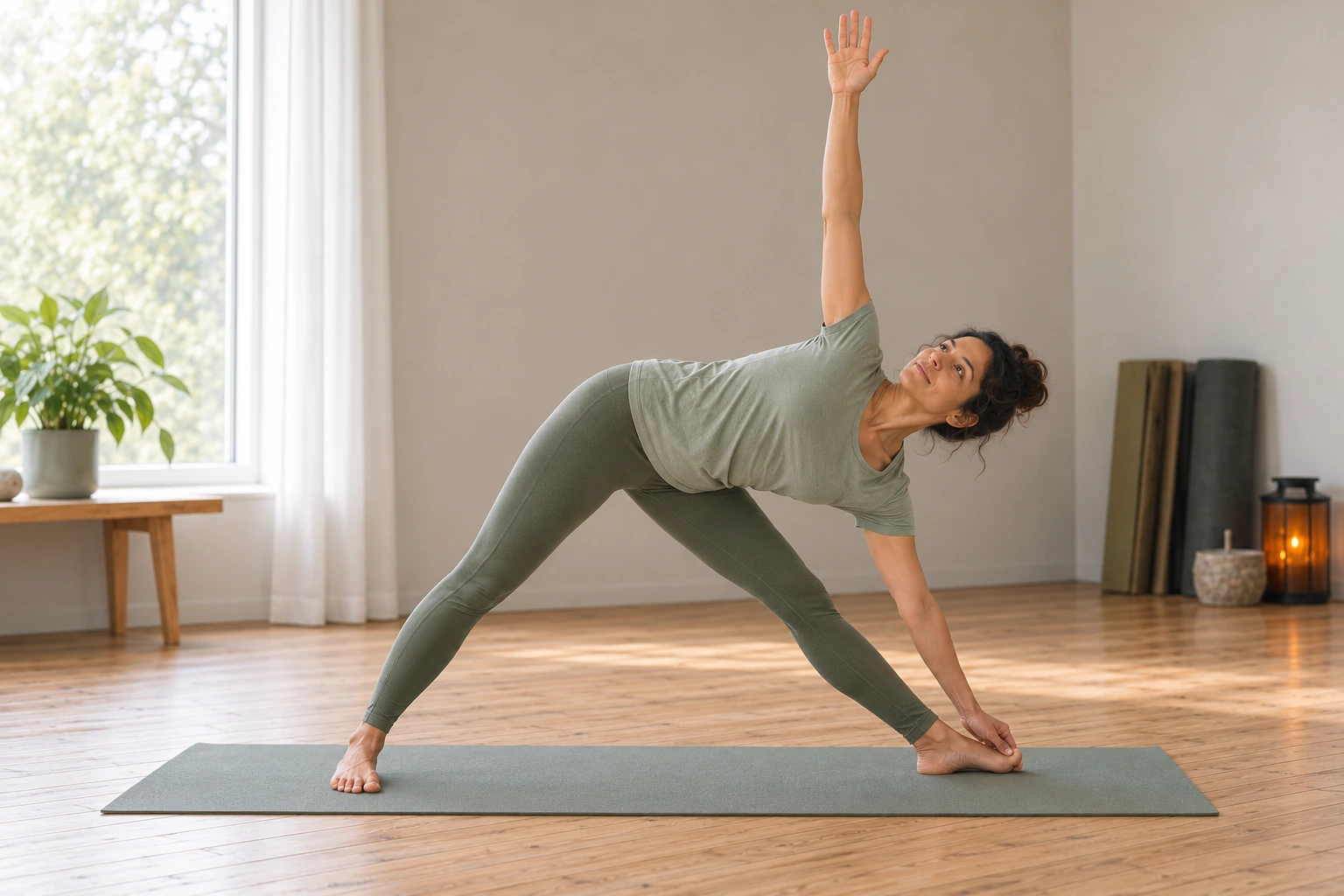
Utthita Trikonasana
Extended triangle
Explore this pose →Free example
Parivrtta Trikonasana
Revolved triangle
Explore this pose →Member · detail view
Utthita Parsvakonasana
Extended side angle
Explore this pose →Member · detail view
Parivrtta Parsvakonasana
Revolved side angle
Explore this pose →Member · detail view
Prasarita Padottanasana A
Wide-legged forward fold
Explore this pose →Member · detail view
Parsvottanasana
Pyramid fold
Explore this pose →Member · detail viewFurther standing poses
5 pose families
Utthita Hasta Padangusthasana · Folded form
Standing leg balance
Explore this pose →Member · detail view
Ardha Baddha Padmottanasana
Standing bound half lotus
Explore this pose →Member · detail view
Utkatasana
Chair
Explore this pose →Member · detail view
Virabhadrasana A
Warrior A
Explore this pose →Member · detail view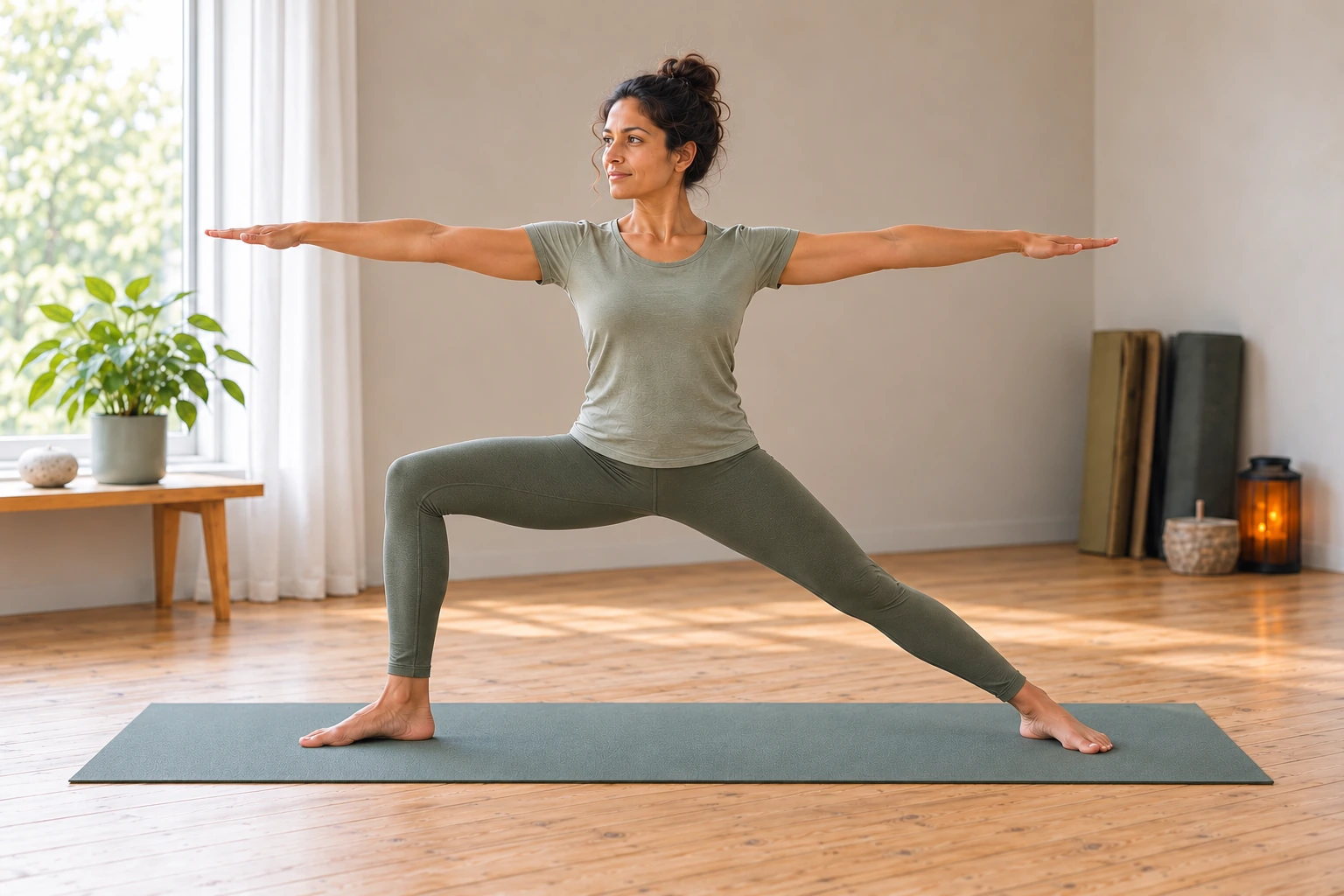
Virabhadrasana B
Warrior B
Explore this pose →Free examplePrimary Series pose families
20 pose families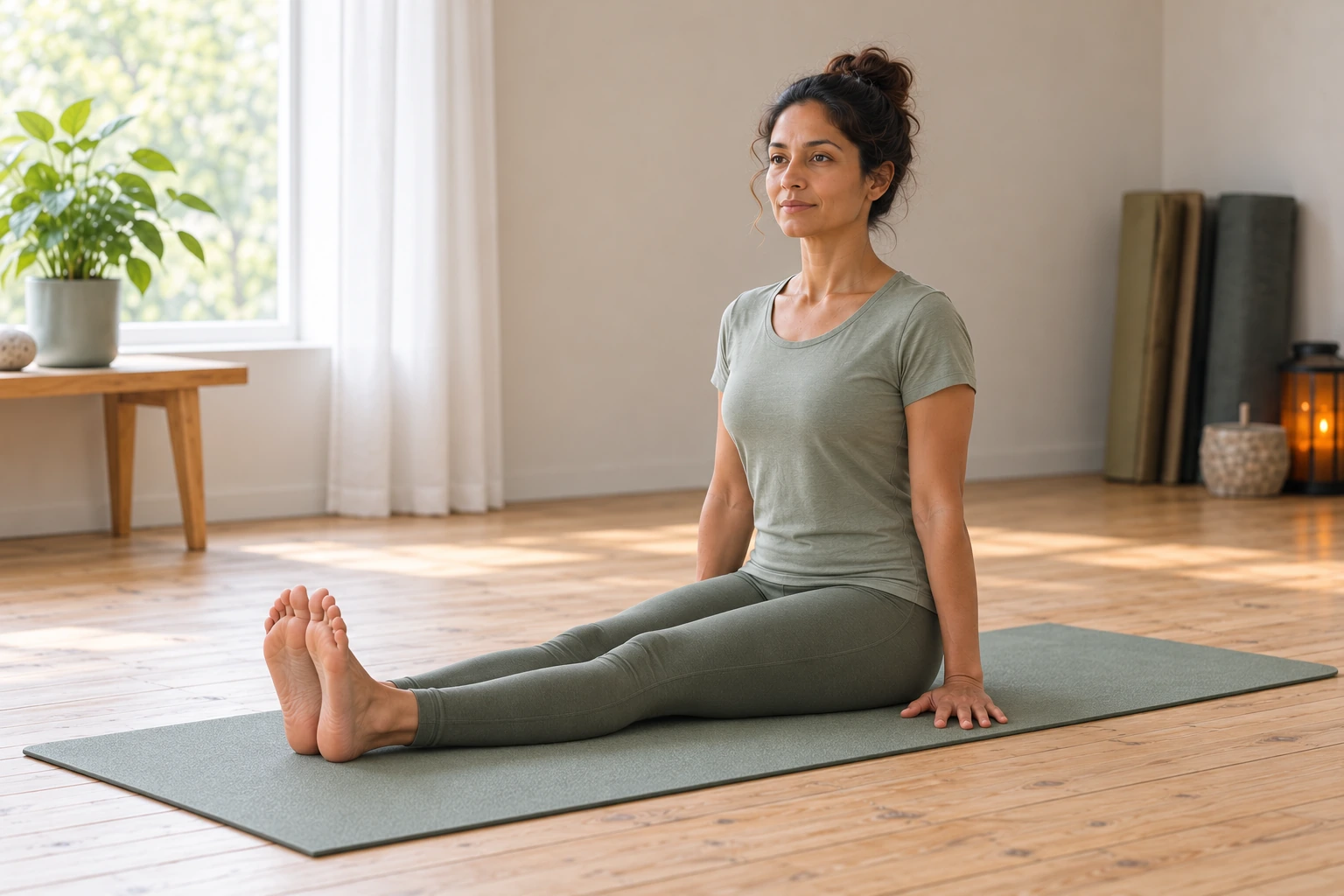
Dandasana
Staff
Explore this pose →Free example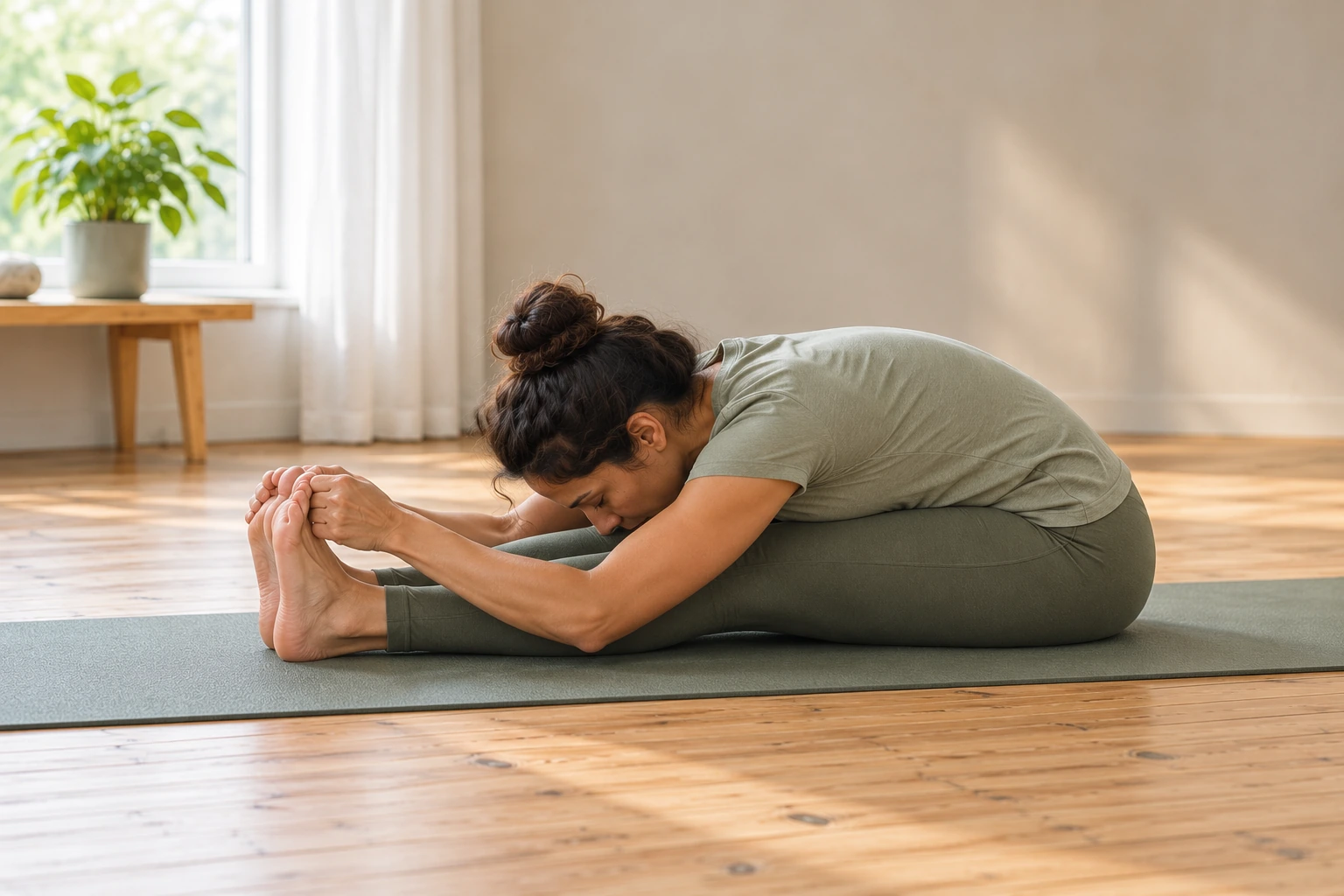
Paschimottanasana A
Seated forward fold
Explore this pose →Free example
Purvottanasana
Upward plank
Explore this pose →Member · detail view
Ardha Baddha Padma Paschimottanasana
Seated bound half lotus
Explore this pose →Member · detail view
Triang Mukhaikapada Paschimottanasana
One-leg-folded-back forward fold
Explore this pose →Member · detail view
Janu Sirsasana A
Single-leg seated fold
Explore this pose →Member · detail view
Marichyasana A
Marichi poses
Explore this pose →Member · detail view
Navasana
Boat
Explore this pose →Member · detail view
Bhujapidasana
Arm-pressure balance
Explore this pose →Member · detail view
Kurmasana
Tortoise
Explore this pose →Member · detail view
Supta Kurmasana
Sleeping tortoise
Explore this pose →Member · detail view
Garbha Pindasana
Lotus embryo
Explore this pose →Member · detail view
Kukkutasana
Rooster
Explore this pose →Member · detail view
Baddha Konasana · Upright form
Bound angle
Explore this pose →Member · detail view
Upavistha Konasana A
Seated wide angle
Explore this pose →Member · detail view
Supta Konasana
Reclining wide angle
Explore this pose →Member · detail view
Supta Padangusthasana A
Reclining big-toe hold
Explore this pose →Member · detail view
Ubhaya Padangusthasana
Both-big-toes balance
Explore this pose →Member · detail view
Urdhva Mukha Paschimottanasana
Upward-facing forward fold
Explore this pose →Member · detail view
Setu Bandhasana
Ashtanga bridge
Explore this pose →Member · detail viewBackbending
2 pose families
Finishing
14 pose families
Salamba Sarvangasana
Supported shoulderstand
Explore this pose →Member · detail view
Halasana
Plough
Explore this pose →Member · detail view
Karnapidasana
Ear-pressure pose
Explore this pose →Member · detail view
Urdhva Padmasana
Upward lotus
Explore this pose →Member · detail view
Pindasana
Folded lotus
Explore this pose →Member · detail view
Matsyasana · Lotus
Fish
Explore this pose →Member · detail view
Uttana Padasana
Raised limbs
Explore this pose →Member · detail view
Sirsasana A
Headstand
Explore this pose →Member · detail view
Balasana
Child's pose
Explore this pose →Member · detail view
Baddha Padmasana · Upright form
Bound lotus
Explore this pose →Member · detail view
Yoga Mudra
Yoga seal
Explore this pose →Member · detail view
Padmasana
Lotus
Explore this pose →Member · detail view
Utpluthih
Lifted lotus
Explore this pose →Member · detail view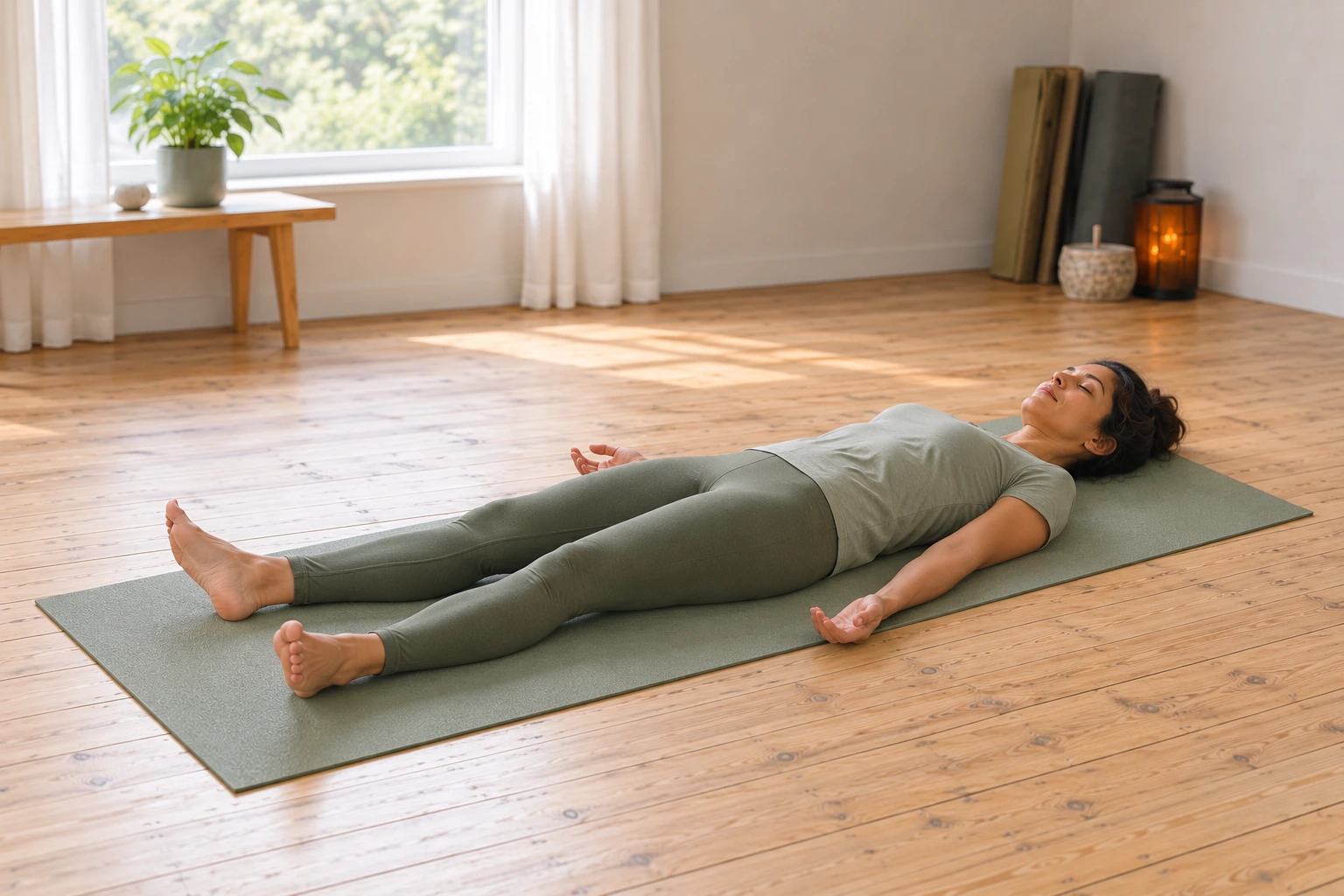
Savasana
Reclining rest
Explore this pose →Free exampleOlder names and shapes
Gheraṇḍa Saṃhitā 2.23 describes a straight-legged forward fold with a toe hold. Its Kurmasana in 2.33 instead has the heels crossed under the body. The shared name does not establish the wide forward-folded turtle shape illustrated here.
Sources for this page
- Gheraṇḍa Saṃhitā — translation by Sris Chandra Vasu (1895)2.23; 2.33, pp. 14–15 · Wellcome Collection
Practising with care
If you have an injury or a medical condition, take medication, are pregnant or breastfeeding, or have another circumstance that may affect your practice, consult a qualified healthcare professional about suitable activities and necessary adaptations.
Learn new and demanding poses with a qualified yoga teacher. Adapt the range to your body and stop if you feel pain or dizziness. A short video illustrates movement; its length does not prescribe how long to hold a pose.
Headstands, shoulder stands and lotus are not starting poses for beginners. Injuries, balance problems or glaucoma are examples of reasons to assess suitability individually. Do not force a bind or use the body as leverage against the knee.